
Clay on Marion slopes traps water and accelerates erosion, so you must address poor drainage, slope-driven undermining, and install engineered footings to prevent fence collapse and expensive repairs.
Key Takeaways:
- Clay soils in Marion retain moisture and expand; many fence companies set posts too shallow or omit drainage, which leads to heaving, rot, and leaning fences.
- Slopes concentrate stormwater runoff and erode footings when companies ignore grading and drainage; solutions include redirecting flow, installing French drains or surface swales, and stabilizing soil with geotextile or terraces.
- Incorrect anchoring and material choices worsen failures; specify deeper footings with gravel drainage, helical anchors on steep grades, corrosion-resistant hardware, and erosion control at post bases.
The Marion Terrain: Understanding Red Clay and Steep Grades
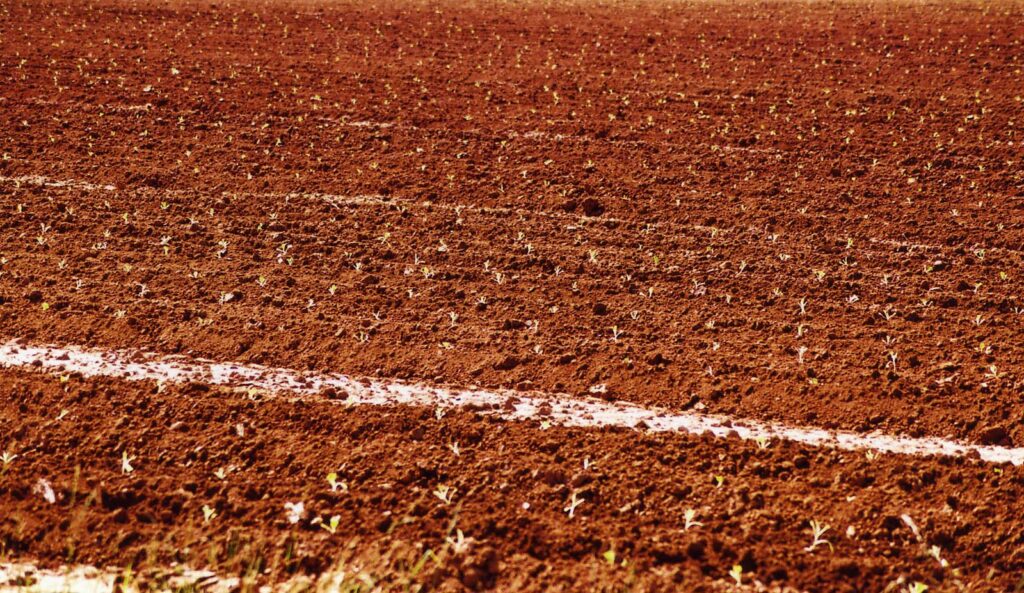
Red clay on steep sections holds water against posts, so you’ll face slow drainage, surface runoff and unexpected soil movement that shortens fence life when footings aren’t engineered for it.
Soil Compaction and Subsurface Drainage Challenges
Compaction from tracked equipment leaves you with dense subsoil that blocks flow, creating perched water tables and poor subsurface drainage which undermines footings over time.
How Marion’s Topography Impacts Post Stability
Steep grades force you to fight lateral soil pressure and concentrated runoff, causing post heave and downhill loosening unless you control drainage and depth.
When slopes exceed standard backyard grades, you must use staggered footings, geotextile, and drained gravel backfill to resist lateral soil push and undercutting. You should set downhill posts deeper, install French drains or swales to redirect runoff, and tie rails into buried concrete with rebar where soil is especially unstable. Proper grading and targeted drainage will prevent failure and extend service life.
Managing Hydrostatic Pressure and Stormwater Runoff
Hydrostatic pressure from saturated clay and steep slopes forces water toward fences, so you must plan grading, drainage, and deeper posts to avoid fence collapse and soil displacement.
Why Standard Fences Often Act as Unintentional Dams
Many standard fence bottoms seal against soil, so you see runoff pooling and increased hydrostatic load that can cause posts to heave or fail; standing water and soil saturation are the dangerous results.
Strategic Gapping and Integration of Drainage Channels
Strategic gapping and shallow drains let you direct flow under or through fences, preventing pressure buildup and localized erosion; preserve post integrity and prevent pooling.
You can design gaps of 1-3 inches at the board bottom or 2-4 inch notches every 4-8 feet, pair those with a shallow gravel trench and a perforated drain pipe tied to a swale or outlet so pressure never builds. Protect posts with sleeves or crushed stone backfill and grade soil to slope away from the fence to reduce prolonged saturation.
Structural Integrity on Slopes: Racking vs. Stepping
Choose racking so you allow panels to follow grade; stepping creates rigid offsets that trap runoff and put uneven stress on posts, raising the risk of leaning or collapse in clay soils where water weakens backfill.
Maintaining Ground Clearance for Unobstructed Water Flow
Grade the bottom so you keep 2-3 inches of clearance for water and debris; blocked flow causes pooling that undermines posts and accelerates rot in clay-heavy slopes.
Preventing Soil Erosion at the Base of the Fence Line
Leave a planted buffer or gravel strip so you direct runoff away from post holes; otherwise you risk rinsed-out soil and exposed, unstable posts on steep, clay-filled grades.
Anchor posts deeper-set below expected washout depth with concrete and a gravel collar-and install geotextile under a gravel trench to slow surface flow; you should also plant deep-rooted groundcover or build short terraces to absorb runoff. Neglect invites washouts that can leave posts unsupported and cause sudden fence failure, so inspect after heavy storms.
Material Selection for High-Moisture Environments
You should pick fence materials proven for saturated clay and slopes; consult Marion County Stormwater Quality Treatment Engineering Standards (2022) for drainage specs. Favor corrosion-resistant metals and pressure-treated or composite posts to avoid premature collapse.
Rot Resistance and Hardware Corrosion in Wet Clay
Choose materials with proven rot resistance; you must use stainless-steel or hot-dipped galvanized hardware and sealed post tops to resist clay’s constant moisture and acidic conditions.
Why Standard Wood Installations Fail Prematurely in Marion
Clay soils retain water and you will see posts rot from the base up because typical installations lack drainage, causing post failure and fence collapse on slopes and saturated sites.
Because clay swells, shrinks, and holds moisture, you will get cyclic movement and persistent saturation at the post base; concrete collars often trap water and accelerate decay. You should use drained gravel sockets, wrapped treated posts or composites, set posts above grade where possible, and rely on stainless steel fasteners or engineered anchors to extend service life.
The Importance of Professional Site Grading
Professional site grading forces you to consider slope, soil and water movement before installation, preventing clay expansion and fence failure by directing stormwater where it won’t undermine posts or flood yards.
Identifying Natural Water Veins Before Installation
You should walk the property after a heavy rain, mark saturated lines and observe vegetation to map natural water veins, avoiding hidden channels that cause erosion and post instability.
Redirecting Runoff to Protect Structural Footings
Properly grade away from fence lines and install swales or trench drains so you prevent soil washout and post heaving on clay slopes.
Avoid leaving runoff unchecked: cut shallow grade breaks and route concentrated flow into vegetated swales or subsurface drains so saturated clay doesn’t wash away and footings become undermined. Use deep concrete piers with gravel envelopes and geotextile separation, extend downspouts into stable outlets, and consider perforated French drains to carry water to daylight, preserving long-term stability of fence foundations.
Conclusion
In Marion, NC, fences fail when they’re not built for clay soil, steep slopes, and heavy rain. If posts aren’t set deep enough or water isn’t directed away from the fence line, problems show up fast—leaning sections, rotting wood, and washed-out footings. Mountain ground simply doesn’t allow shortcuts.
The key is simple: proper post depth, solid drainage, good materials, and careful grading. When those things are done right from the start, your fence stays straight and strong for years instead of needing constant repairs.
At Elite Lawncare and Fence, we build fences with Marion’s terrain in mind. We look at slope, soil, and water flow before we install anything, and we use the right depth, drainage, and hardware to make sure your fence lasts. If you want it done right the first time, our fence contractor team is here to help.


