
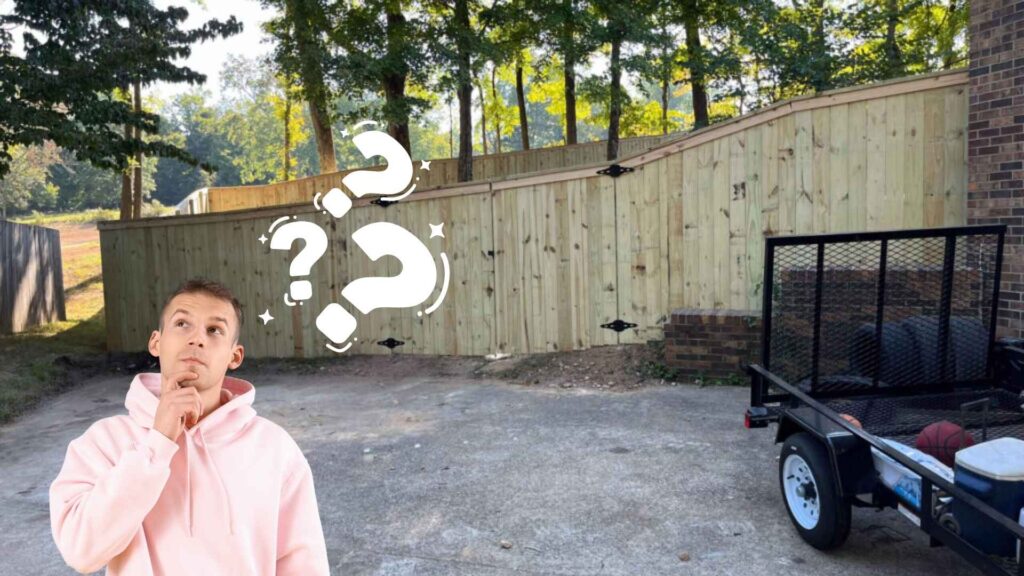
Costs of cheap fence installation can hide structural failure, property damage, and permits and fines; you can avoid them by hiring a licensed local contractor, demanding written estimates and a warranty.
Key Takeaways:
- Cheap fences often use inferior materials and poor installation, causing rot, sagging, leaning posts, and frequent repairs in Marion’s humid, seasonal climate.
- Low bids frequently skip permits, utility locates, proper site prep, or insurance and licensing, leaving homeowners responsible for fines, damage, and replacement costs.
- Prevent problems by getting multiple quotes, checking references, verifying license and insurance, and requiring a written contract detailing materials, post depth/concrete footings, warranties, and who handles permits.
The False Economy of Low-Ball Estimates
Low-ball estimates tempt you, but they often mask hidden costs like shoddy materials, callbacks, and permit violations that push you into expensive repairs and liability.
Why initial savings often lead to long-term debt
Short-term savings you see on paper can become long-term debt when poor installation forces repeated fixes, lowers resale value, and increases insurance headaches.
The hidden markup of substandard labor
Shoddy crews cut corners so you end up paying more through premature failure, warranty gaps, and safety risks-the real markup behind a cheap bid.
Contractors who underbid often use untrained subcontractors, skip proper footings, and avoid permits, leaving you exposed to replacements, injury claims, and fines; insist on itemized bids, crew qualifications, and a written, enforceable warranty to protect your investment.
Material Durability in the Marion Climate
Wood left untreated in Marion’s humid summers and cold winters will warp, split, and rot faster than in drier areas, costing you repairs and replacements. Use pressure-treated or composite materials to reduce long-term expenses and avoid repeated installation.
How local humidity affects budget-grade lumber
Humidity drives mold and rot into budget lumber, so you find boards softening and failing within a season. Choose kiln-dried, treated lumber or composites to prevent costly replacements and hidden moisture damage.
Premature failure of non-galvanized hardware
Corrosion eats nails, screws, and brackets quickly when hardware isn’t galvanized, leaving you with loose panels and collapse risk; you’ll face emergency repair costs. Specify hot-dip galvanized or stainless-steel fasteners to avoid premature failure.
When treated lumber such as ACQ contacts plain steel fasteners, electrochemical reactions accelerate corrosion, causing threads to shear and brackets to fail months after installation. You should insist on hot-dip galvanized or 316 stainless-steel hardware, avoid plain zinc or uncoated pieces, and document specifications to protect your fence’s warranty and safety.
Structural Integrity and Installation Shortcuts
Shoddy installations leave you facing rot, leaning, and collapse as hidden costs surface within months; cheap materials and rushed labor can void warranties and force expensive repairs or replacements that outweigh initial savings.
Improper post-depth and soil stability issues
Incorrect post-depth leaves you with posts that settle, wobble, or pull out during storms; weak footings plus poor soil compaction create rapid failure and safety hazards, forcing costly re-digging and replacement.
The consequences of poor alignment and leveling
Misaligned panels make your fence look unprofessional and allow gaps that let animals escape; uneven posts accelerate wear and create structural weak points, increasing repair frequency and costs.
Poor alignment increases wind loading on sections, stresses fasteners, and causes gates to bind; you end up with premature sagging, broken hardware, and safety risks that drive up maintenance and liability exposure.
The Real Cost of Frequent Repairs
Frequent fence repairs on low-cost fences mean you pay more over time for parts, labor, and emergency fixes; you may spend double or triple compared to a quality install that lasts. You face added hassle and unpredictable timelines that disrupt your property use.
Maintenance cycles of cheap vs. premium fencing
Cheap fencing requires constant touch-ups, leaving you scheduling repairs every season, while premium materials often need only annual checks; choosing quality reduces your maintenance frequency and long-term cost.
Impact on property resale value and curb appeal
Curb appeal suffers when inexperienced installs show wear quickly, and you risk lower offers because buyers factor in replacement costs; a well-built fence can boost perceived value and speed a sale.
Buyers often view a sagging or rusted fence as evidence of broader neglect, which means you could lose thousands at closing or see reduced interest; HOAs and inspectors may demand replacement before sale, creating last-minute expense. High-quality fencing photographs better, signals low maintenance, and can translate into faster offers-quality fencing often delivers strong ROI in resale.
Vetting Professional Installers in Western NC
Local scrutiny saves you money and headaches when choosing a fence installer in Western NC; insist on written estimates, check references, and avoid cheap, unlicensed bids that conceal future repairs or permit issues.
Verifying local licensing and liability insurance
Check that contractors hold North Carolina licenses and present a current certificate of insurance so you aren’t left with out-of-pocket liability after an accident or property damage.
Evaluating project portfolios and client testimonials
Review portfolios for similar Marion-area projects and read testimonials for consistency; watch for duplicated reviews and favor firms that give you a track record of quality workmanship and reliable warranties.
Compare before/after photos, verify dates and materials, and call listed references so you can see completed work in person; if installers dodge site visits or produce only stock images, treat that as a red flag. Favor teams that disclose manufacturers, timelines, and warranty terms-those specifics indicate lasting results rather than short-term savings.
Final Words
In Marion, NC, a “cheap” fence rarely stays cheap for long. Between humid summers, freeze-thaw winters, red clay soil, and mountain winds, shortcuts in materials or installation show up fast—leaning posts, rusted hardware, warped boards, and repeated repair bills. What looks like savings upfront can quickly turn into replacement costs, property damage, or even permit and liability issues.
The real investment isn’t just the fence itself—it’s the craftsmanship behind it. Proper post depth, corrosion-resistant hardware, site preparation, drainage planning, and a clear written contract are what separate a fence that lasts a few seasons from one that stands strong for years.
If you want to avoid the hidden costs of low-ball bids, choose a fence contractor who understands Marion’s terrain and climate, provides detailed written estimates, secures permits, and backs their work with a solid warranty. Paying for quality once is almost always more affordable than paying for repairs over and over again.


