
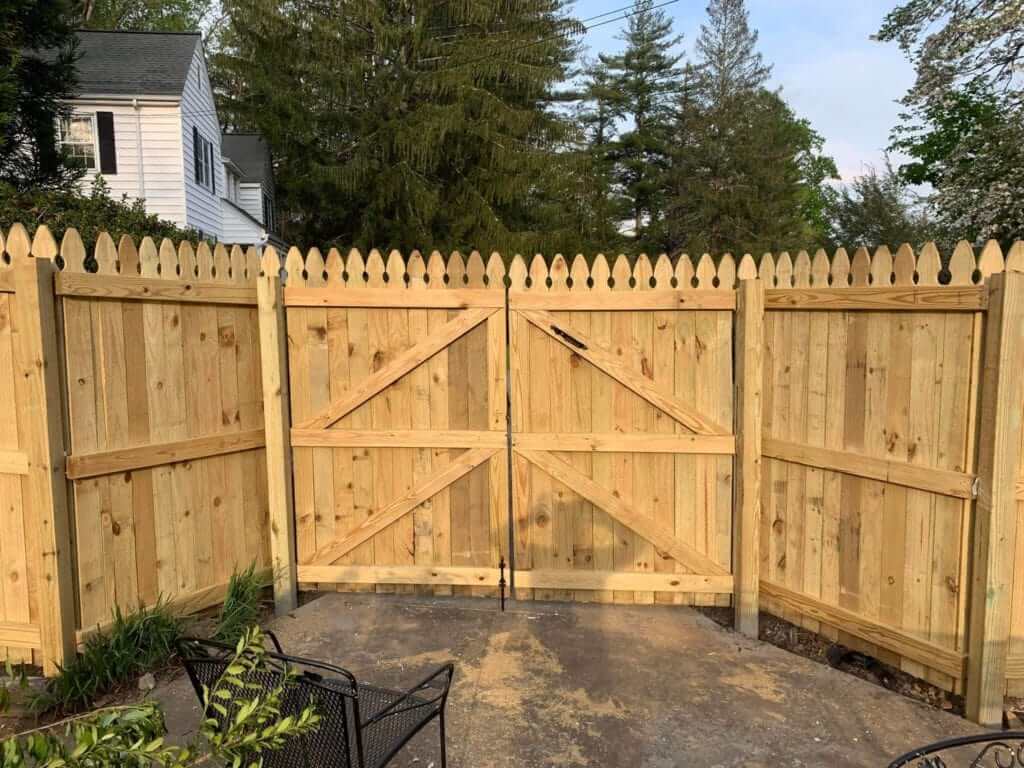
There’s a high chance your fence will tilt or rot in Marion mountain soil and heavy rain if you skip proper post depth, drainage, or pressure-treated materials-this guide shows the five installation mistakes you must avoid.
Key Takeaways:
- Posts set too shallow or without proper concrete footings heave, rot, and lean in Marion’s rocky, wet soils.
- Poor drainage and grading let rainwater pool or wash away backfill, undermining post stability and causing sagging panels.
- Untreated lumber, inadequate anchors, and low-grade fasteners corrode or decay quickly in mountain rain; use treated wood, corrosion-resistant hardware, and solid bracing.
Mistake 1: The Geological Challenges of Marion and McDowell County
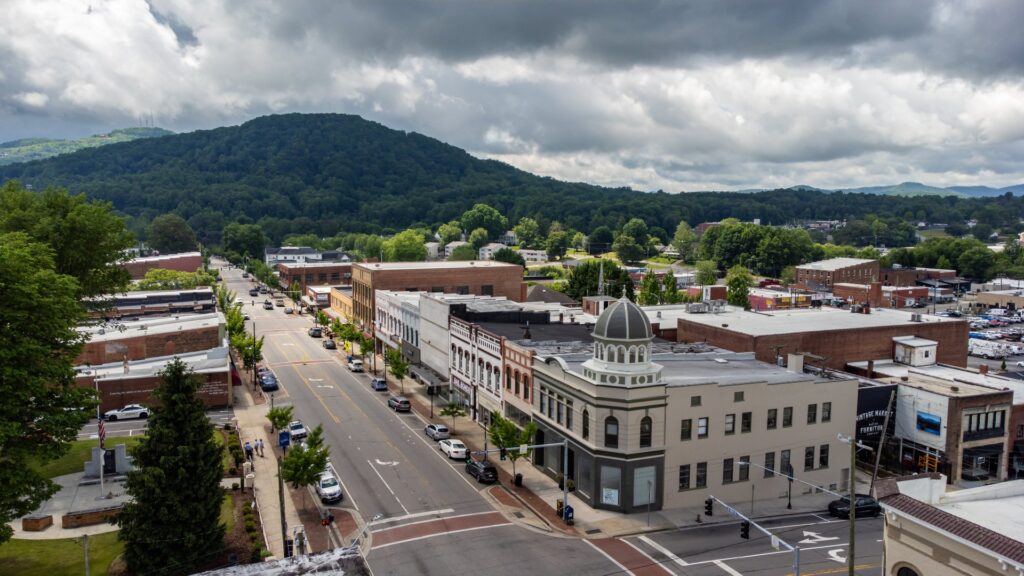
Marion and McDowell County combine steep slopes, dense clay, and heavy rainfall that stress fences, so you face shifting posts, saturated holes, and accelerated erosion. Proper foundations counter unstable soils and high runoff.
High Clay Density and Water Retention Issues
Clay in local soils traps water, so you see post heave, rot, and sinking unless you install deep footings, gravel backfill, and surface drainage to avoid waterlogged holes.
Navigating Steep Mountain Slopes and Erosion Risks
Steep slopes create rapid runoff that can scour footing trenches and undermine posts, so you should use angled posts, longer embedment, and slope breaks to reduce washout.
Slope angles above 20 degrees concentrate water and trigger sheet erosion and soil slips, which you must plan for with terracing, retaining structures, or geo-grid reinforcement. Engineers often recommend stepped footings, deeper anchors, and surface diversion drains to prevent post collapse and avoid costly washouts.
Mistake 2: Neglecting Drainage and Hydrostatic Pressure
Water pooling against posts creates hydrostatic pressure that heaves footings, rots posts, and sends fences leaning; if you neglect drainage, expect movement and premature failure in Marion’s mountain soils.
How Heavy Appalachian Rainfall Undermines Footings
Rainier seasons saturate silty mountain soils, increasing pore pressure and washing away backfill; you’ll see settling, tilting, and washed-out footings within months without protection.
Strategic Grading to Divert Surface Runoff
Grade slopes so you route runoff away from fence lines, install swales or berms, and tie downspouts into drains to keep postholes dry and stable.
You must grade away from posts at a minimum 2% slope (about 1/4 inch per foot), routing flow into vegetated areas or lined swales before it reaches footings. Compact backfill, wrap trenches with geotextile and set a gravel trench or French drain where water concentrates. Inspect after heavy storms and clear debris so runoff paths remain open; these steps greatly reduce saturation and erosion that undo fence installations.
Mistake 3: Using Materials Unsuited for High Humidity
Wet mountain humidity in Marion will test any fence; if you use interior-grade wood or plain hardware, you’ll see rot and corrosion within seasons, causing sagging panels and costly rebuilds.
Rot-Resistance Requirements for Local Timber
Choose species like cedar, redwood, or pressure-treated pine for ground contact, and verify treatment ratings so you avoid rapid decay in Marion’s humidity; insist on KDAT when available.
Preventing Hardware Corrosion in Damp Environments
Use hot-dip galvanized or 304/316 stainless steel fasteners and brackets so you prevent rust-driven failure; plain zinc or black hardware won’t survive mountain rains.
Combine stainless fasteners with marine-grade sealants and coated hinges, avoid mixing metals to stop galvanic corrosion, and you should inspect annually-replace any pitted components before they fail.
Mistake 4: Inadequate Concrete Foundation Specifications
You underestimate footing depth and concrete strength, then Marion’s mountain soil and rain pull posts loose; shallow, low-strength footings fail from washout and freeze-thaw. Specify proper depth, mix strength, and rebar to preserve support.
The Impact of Soil Acidity on Footing Integrity
Acidic soil in Marion speeds concrete corrosion and weakens paste, so you notice cracking, spalling, and reduced bearing after a few seasons of rain.
Why Dry-Pouring Leads to Premature Fence Leaning
Skipping wet-mix and dry-pouring around posts traps air and leaves voids and poor bond, so you get leaning posts after heavy rain and freeze cycles.
Concrete poured dry won’t consolidate around your posts; water runs through the loose mix, forming channels and pockets that create voids, weak shear capacity, and rapid settlement. You must use a wet, properly consolidated mix, tamp or vibrate to remove air, allow adequate cure time, and add rebar or a concrete collar with a 3000-4000 psi mix to resist Marion’s wet, acidic soils.
Mistake 5: Disregarding Local Setbacks and Underground Obstacles
Ignoring Marion’s setback rules and buried hazards puts you at risk of permit violations, utility strikes, and weakened posts; you must confirm property lines and locate subsurface features before you set footers.
Marion’s Zoning and Utility Regulations
Check local zoning maps and call 811 so you see setback requirements and underground utility marks, avoiding fines and dangerous service interruptions when you place posts.
Managing Hidden Roots and Subsurface Rock Formations
Beware hidden roots and shallow bedrock that stop augers and shift post alignment; you should test holes and plan for alternative anchoring to prevent post failure.
When you encounter roots or rock, probe test holes every 6-8 feet and hand-dig suspicious spots to assess depth and direction; if a major root supports a tree, do not cut it without consulting an arborist since you risk tree failure. For shallow bedrock, use rock-cutting bits, longer concrete piers, or helical anchors and consider a licensed contractor to avoid repeated repairs and structural compromise.
To wrap up
In Marion, NC, fences rarely fail because of time alone — they fail because mountain soil, heavy rain, and clay expansion expose shortcuts. Shallow posts, poor drainage, low-grade hardware, and rushed installations simply don’t survive Western North Carolina’s terrain. What looks fine on day one can begin leaning after the first storm season if it wasn’t built for these conditions.
That’s why fence installation in McDowell County requires more than standard practices. It requires understanding slope runoff, clay movement, frost depth, corrosion resistance, and proper structural anchoring from the ground up.
At Elite Lawncare and Fence, we build with Marion’s mountain environment in mind. From engineered post depth and drainage planning to corrosion-resistant materials and code-compliant installation, our team focuses on long-term stability—not shortcuts. If you want a fence that stays straight, secure, and built to handle real Appalachian weather, work with a fence company in Marion, NC that understands the ground beneath your property.one, your fence won’t just look strong — it will stay structurally sound for years in Marion’s mountain conditions.


