

You must weigh Marion and Old Fort’s mountain moisture: wood rots and molds without maintenance, vinyl offers low maintenance but can crack in freeze-thaw, and aluminum resists corrosion yet dents-choose by exposure and upkeep.
Key Takeaways:
- Aluminum offers the best long-term resistance to moisture, freeze-thaw cycles, and impact in Marion and Old Fort, typically lasting 30-50+ years with quality coatings and occasional repainting.
- Wood provides superior insulation and authentic appearance but will rot, split, or attract insects in wet mountain conditions unless regularly sealed and repaired; expect about 20-40 years with diligent maintenance.
- Vinyl demands the least routine upkeep and resists rot, but repeated freeze cycles, cold brittleness, and thermal movement can shorten life-choose high-grade, thick profiles installed with proper expansion gaps to reach 20-30 years.
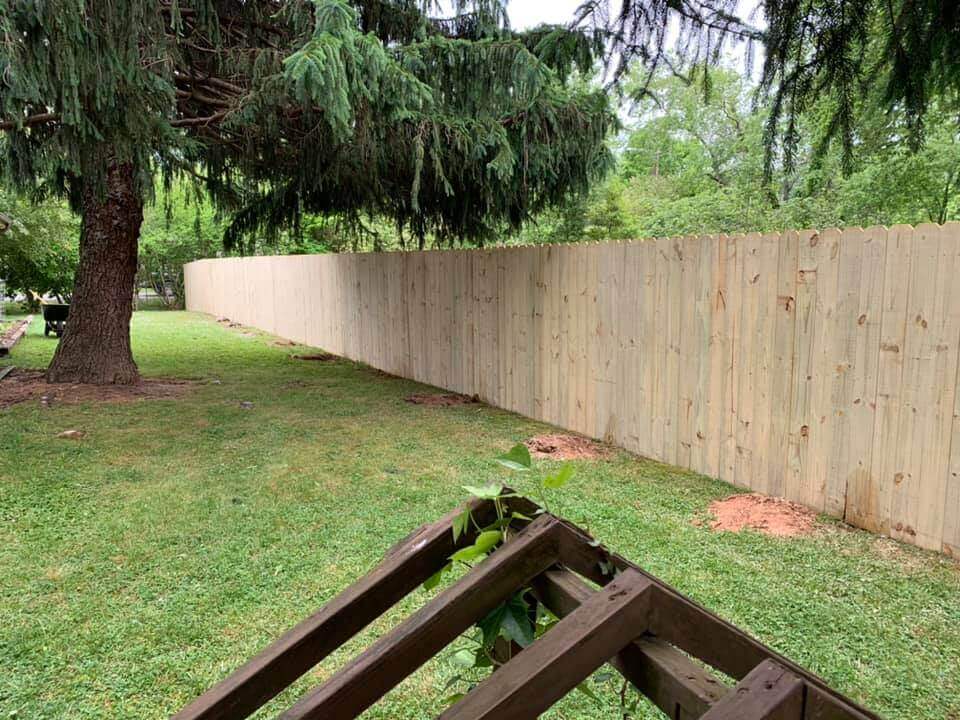
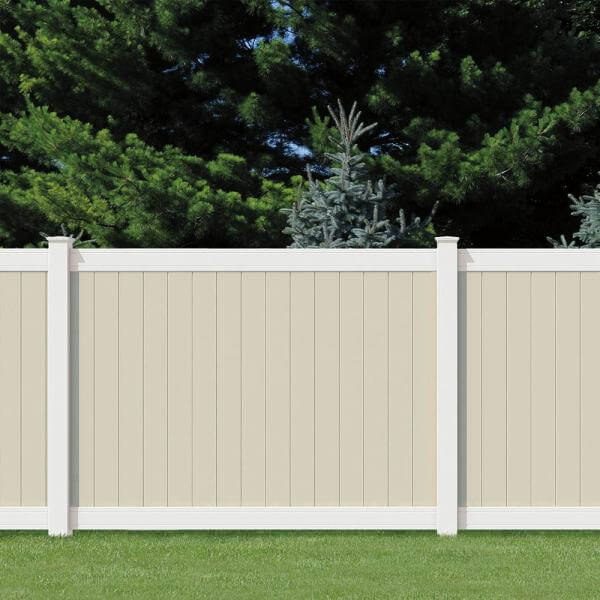
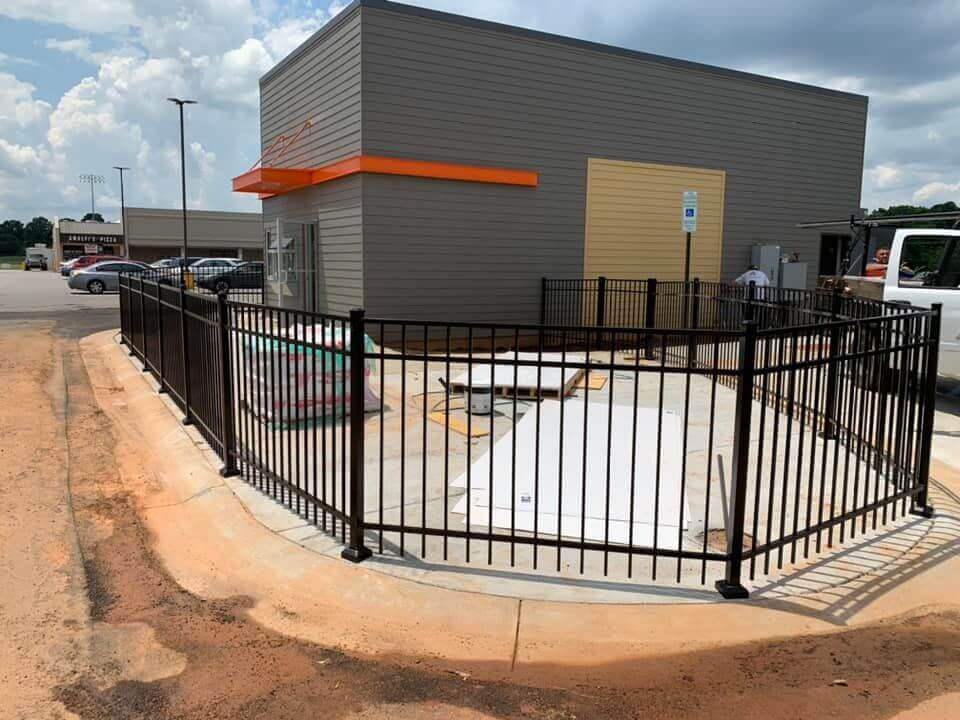
The Unique Climate Demands of Marion and Old Fort
Local mountain weather pairs persistent moisture with freeze-thaw cycles, forcing you to pick materials that resist both rot and movement. In Marion and Old Fort you face frequent fog, heavy snow melt, and intense sun; choose materials based on maintenance, repairability, and long-term durability.
High Humidity and Moisture Management
Humidity forces wood to swell, inviting rot and mold, while vinyl resists moisture but can trap condensation and aluminum resists corrosion when coated. You should prioritize ventilation, flashing, and breathable barriers to protect framing and finishes.
High Humidity – Material Response
| Material | Moisture Behavior |
| Wood | Swells and rots without sealing; needs regular maintenance |
| Vinyl | Repels water but can trap condensation behind cladding |
| Aluminum | Resists corrosion when coated; performs best with proper flashing |
Extreme Temperature Fluctuations and UV Exposure
Temperature swings stress materials: wood expands and contracts, creating gaps; vinyl can warp or become brittle in cold; aluminum holds shape but conducts heat and may transfer UV-accelerated fade to finishes. You must balance thermal movement and finish protection when choosing materials.
Compare how each reacts: wood insulates but needs sealing; vinyl resists rot yet fades and warps; aluminum tolerates UV but transmits heat and dents. You should inspect seals annually, pick UV-stable colors, and allow for expansion gaps.
Temperature & UV – Material Response
| Material | Thermal/UV Performance |
| Wood | High thermal movement; requires UV-stable finishes and regular resealing |
| Vinyl | Prone to heat distortion and fading; choose stabilized formulas and space for expansion |
| Aluminum | Minimal dimensional change, high UV resistance with coatings, but conducts heat and can dent |
Wood Siding: Traditional Aesthetics and Maintenance Realities
Wood siding gives your mountain home classic charm but asks for constant care; if you live in Marion or Old Fort you face wet seasons that accelerate rot and fading. You can compare materials at Windows: Wood vs. Vinyl vs. Aluminum.
Susceptibility to Rot, Mold, and Wood-Boring Pests
You should expect higher maintenance when wood sits in damp mountain air; rot and mold spread quickly, and wood-boring pests exploit cracks after storms, increasing repair costs and health risks for your home.
The Necessity of Frequent Staining and Sealing
Regularly re-stain and seal your siding to block moisture and UV; missed maintenance voids warranties and speeds deterioration, costing you more than higher-upfront alternatives.
When you live in Marion or Old Fort, you’ll need to inspect siding annually, re-stain every 2-4 years and re-seal joints after severe storms; neglect lets moisture penetrate, causing hidden rot and costly board replacement. Use breathable stains, repair failed caulk, and replace soft boards promptly to protect structural framing and keep maintenance costs manageable.
Vinyl Siding: Affordability vs. Mountain Durability
Vinyl gives you low upfront cost and easy upkeep, but in Marion and Old Fort you face increased UV, snow, and wind exposure that can shorten service life compared with more durable materials.
Risks of Brittleness and Cracking in Freeze-Thaw Cycles
Cold winters make you watch for brittleness and cracking; repeated freeze-thaw cycles can fracture panels, allow moisture intrusion, and raise both visible and hidden repair costs.
Thermal Expansion and Color Fading at High Elevations
Sun intensity at elevation forces you to manage thermal expansion movement and expect quicker color fading, which can warp boards and age appearance rapidly.
You should specify wider panel gaps, choose lighter colors, and insist on UV-stable vinyl; failure to allow movement or using dark pigments causes buckling, seam failure, and accelerated fading, raising water-intrusion risk and shortening expected lifespan.
Aluminum Siding: Engineering for Rugged Terrain
Aluminum siding offers engineered durability for Marion and Old Fort, giving you low-maintenance protection against temperature swings and forest exposure; its lightweight panels resist rot and insect damage while delivering long-term performance on steep, exposed roofs and walls.
Superior Resistance to Moisture and Fire Hazards
You benefit from non-combustible aluminum that sheds moisture, prevents mold and avoids the rot problems wood faces after heavy rains and snowmelt in mountain valleys.
Structural Integrity Against Heavy Snow and Debris
Snow loads and falling branches test siding, but you’ll find aluminum panels engineered for impact resistance and secure fastening that maintain cladding alignment under strain, reducing leaks and collapse risk.
When heavy, wet snow compacts, aluminum’s interlocking profiles and proper backing help you keep loads distributed to framing while angled trims and reinforced channels deflect branches; you should inspect fasteners after storms to catch any loosened panels before they let in water or cause blow-off hazards.
Comparative Longevity and Performance Metrics
Key Metrics
| Durability | Aluminum highest; vinyl moderate; wood lowest in wet mountain conditions |
| Moisture Resistance | Aluminum excels; vinyl performs if UV-rated; wood needs protection |
| Maintenance | Low for aluminum, occasional cleaning for vinyl, regular sealing for wood |
| Typical Lifespan | Aluminum 30-50+ yrs, vinyl 20-35 yrs, wood 15-25 yrs with care |
| Cost | Higher upfront for aluminum, lower for vinyl and wood but higher upkeep for wood |
Comparison table helps you weigh durability, maintenance, and weather resistance in Marion and Old Fort; aluminum resists moisture and rot best, vinyl requires UV-grade options, and wood needs frequent sealing to prevent decay.
Expected Lifespan of Materials in McDowell County
Lifespan estimates for McDowell County put aluminum at 30-50+ years, vinyl at 20-35 years if UV-rated, and treated wood at 15-25 years unless you commit to annual sealing and inspections against moisture.
Total Cost of Ownership and ROI Analysis
Costs over time favor aluminum when you count low maintenance and long life; vinyl can offer better upfront ROI if UV-safe, while wood often costs more long-term due to frequent repairs and treatments.
Analyzing total ownership, you should model purchase, installation, expected repairs, and climate-driven replacement cycles; aluminum’s low upkeep and resistance to rot often pay off despite higher initial cost, vinyl’s savings hinge on material quality and UV protection, and wood can create recurring expenses if you skip yearly sealing or ignore moisture damage.
Regional Installation and Material Selection Factors
Installation choices in mountain towns like Marion and Old Fort force you to weigh wood, vinyl, and aluminum against wind, moisture, and freeze-thaw cycles. After you assess drainage and installer skill, prioritize tight detailing, proper flashing, and corrosion-resistant fasteners.
- Site drainage & roof run-off – protect wood from rot
- Exposure & wind funnels – secure vinyl and brace aluminum
- Installer skill – choose contractors experienced in mountain conditions
Impact of Local Topography on Material Wear
Slopes and ridgelines concentrate wind-driven rain and airborne debris, so you must expect faster wear on vinyl and untreated wood, while aluminum resists moisture but can dent from ice and falling limbs.
Matching Materials to Western North Carolina Architecture
Styles in Western North Carolina often call for authentic siding; you should use wood for historic warmth, reserve aluminum for trim, and pick vinyl where low-maintenance is the priority.
You can match materials to local style by selecting species and finishes that handle elevation-specific moisture and sun. Choose cedar or pressure-treated wood with proper overhangs and breathable sealers to cut rot and insect damage; use powder-coated aluminum for gutters, trim, and snow guards to avoid corrosion and dents. For high-exposure facades, favor reinforced vinyl or composite panels with UV-stable finishes, and specify stainless fasteners and flexible flashings to accommodate thermal movement. Consult local contractors to align aesthetics with code and to set a realistic maintenance schedule.
Final Words
In Marion and Old Fort, your fence has to handle more than just looks — it has to survive mountain moisture, freeze-thaw cycles, strong sun, and shifting temperatures. Wood offers natural beauty but demands regular sealing and upkeep. Vinyl reduces maintenance but must be installed correctly to handle expansion and cold weather. Aluminum delivers the strongest long-term durability with minimal upkeep, especially in wet and exposed areas.
The right choice depends on your property’s exposure, your maintenance expectations, and your long-term budget. A shaded, wooded lot may require different materials than a windy ridge or open hillside.
At Elite Lawncare and Fence, we help homeowners choose the material that truly fits their location — not just their style. We consider slope, drainage, sun exposure, and climate before recommending wood, vinyl, or aluminum. If you want a fence that lasts in Marion and Old Fort’s mountain conditions, our fence contractor team is ready to build it right the first time.


